Redefining Comfort and Innovation in the Furniture Industry
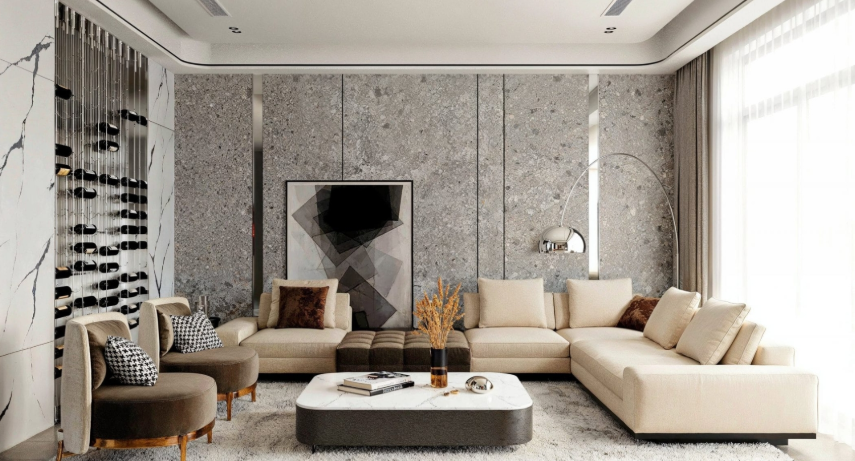
The furniture industry has undergone a remarkable transformation over the past decade. While traditional craftsmanship and aesthetics continue to play an essential role, modern furniture now focuses on comfort, functionality, and technological innovation. Consumers are no longer satisfied with furniture that is purely decorative; they want pieces that improve their lifestyle, support wellness, and adapt to evolving living spaces.
One of the most notable shifts has been in bedroom furniture. With people spending more time at home, the focus on creating restful, ergonomic spaces has intensified. This has led to innovations that allow consumers to shop mattress tailored to their comfort needs while integrating modern design principles into their homes.
The Evolution of Furniture Design
Furniture has always been a reflection of lifestyle, culture, and technology. Today, these elements converge in innovative ways, producing pieces that are not only visually appealing but also highly functional.
Multifunctional and Adaptive Furniture
Urban living spaces are becoming smaller, and homes are increasingly multifunctional. Living rooms often double as offices, and bedrooms may serve as relaxation zones, workspaces, or entertainment areas. To accommodate these changes, furniture designers have developed multifunctional solutions.
Adjustable beds, modular sofas, and storage-integrated pieces are examples of furniture that adapts to different needs. Adjustable beds, in particular, offer ergonomic support for sleeping, reading, or working, enhancing both comfort and functionality. Many consumers now choose to shop mattress that complements these features to optimize their personal spaces.
Prioritizing Comfort and Ergonomics
Comfort has become a central element in furniture design. Ergonomically crafted chairs, supportive sofas, and advanced mattresses help reduce strain, improve posture, and promote overall health.
Modern mattresses incorporate technologies like memory foam, hybrid constructions, and cooling materials that adapt to body shapes and sleeping positions. The ability to shop mattress with precise information about firmness, material, and support levels ensures consumers can make informed decisions to meet their personal comfort preferences.
Materials and Sustainability
While design and technology play a critical role, the materials used in furniture define durability, quality, and sustainability. Modern consumers are increasingly concerned about environmentally responsible products that also provide long-term value.
See also: Role of Secondary Injection Points in Modern Intravenous Systems
Eco-Friendly and Durable Materials
Sustainable wood, recycled metals, and low-emission finishes have become standard in high-quality furniture. Natural fabrics such as cotton, wool, and linen are preferred for their durability, comfort, and minimal environmental impact.
Durable materials ensure that furniture lasts longer, reducing the frequency of replacement and minimizing waste. For sleep products, a well-constructed mattress offers long-term comfort and support, while environmentally friendly foams shop mattress and fabrics contribute to responsible consumption. Consumers who shop mattress with these qualities can enjoy both comfort and sustainability.
Integrating Craftsmanship with Technology
Even as automation improves efficiency, traditional craftsmanship remains vital. Precise joints, quality finishes, and strong frames guarantee furniture is both functional and aesthetically appealing.
Technology enhances these qualities by enabling innovative features without compromising durability. Adjustable beds, ergonomic designs, and advanced mattress materials showcase how craftsmanship and modern innovation can coexist. The ability to shop mattress that combines design, comfort, and technological features exemplifies this evolution.
Technology and the Furniture Buying Experience
The rise of technology has reshaped how consumers research, evaluate, and purchase furniture. Digital tools, virtual showrooms, and interactive platforms have created a more transparent and convenient buying experience.
Research-Driven Purchases
Most consumers now begin their furniture search online. Detailed descriptions, high-resolution images, and user reviews provide essential information for decision-making.
When it comes to sleep products, consumers increasingly prefer to shop mattress online or in stores with comprehensive information about firmness, support, and materials. This approach ensures buyers make informed decisions that meet their comfort and wellness needs.
Bridging Online and Offline Experiences
While online shopping offers convenience, physical interaction with furniture remains important. Showrooms allow consumers to test comfort, feel materials, and assess ergonomics firsthand.
Retailers now integrate online research with in-person experiences. Virtual room planners, augmented reality tools, and detailed product specifications help consumers visualize furniture in their home space. This combination enhances confidence and ensures satisfaction when purchasing products such as adjustable beds and mattresses.
Current Design Trends
Furniture design continues to evolve, reflecting lifestyle changes, cultural shifts, and technological innovation.
Minimalist and Functional Aesthetics
Minimalism remains a dominant trend for its clean lines, neutral tones, and functional design. Minimalist furniture promotes organized, calm spaces while maintaining versatility. Its adaptability makes it ideal for modern homes and multifunctional rooms.
Personalization and Customization
Consumers increasingly value personalization in furniture. Modular systems, adjustable components, and diverse fabric and finish options allow homeowners to create pieces that reflect their style and needs.
In bedroom furniture, personalization extends to mattresses. Being able to shop mattress that matches specific firmness, support, and material preferences ensures a tailored sleep experience, enhancing comfort and health.
Furniture and Well-Being
Furniture has a direct impact on health and well-being. Well-designed pieces can enhance comfort, reduce physical strain, and create environments conducive to relaxation and restorative sleep.
Ergonomics Beyond the Office
Ergonomic design is not limited to office furniture. Sofas, chairs, and beds that provide proper alignment and support prevent discomfort and promote overall wellness, making them essential for modern homes.
Creating Restorative Spaces
Thoughtful bedroom design contributes to restful and organized spaces. Adjustable beds, responsive mattress materials, and ergonomic support systems create a healthier and more rejuvenating environment. Consumers who shop mattress can enjoy these benefits firsthand, achieving a better quality of sleep and improved daily performance.
The Future of the Furniture Industry
The furniture industry is moving toward a future where technology, sustainability, and consumer-centered design converge.
Smart and Adaptive Furniture
Intelligent furniture, with features like adjustable frames, responsive materials, and integrated sleep technology, is becoming increasingly popular. These innovations enhance both comfort and functionality.
Focus on Durability and Long-Term Value
Consumers are prioritizing high-quality, durable furniture over disposable options. Investing in pieces that last ensures long-term satisfaction, reduces environmental impact, and promotes sustainable living.
Conclusion
The furniture industry is rapidly evolving, combining technological innovation, sustainable materials, and personalized design to create products that enhance lifestyle and well-being. Comfort, adaptability, and informed consumer choices are now central to modern furniture.
The option to shop mattress highlights this evolution, providing consumers with access to tailored sleep solutions that combine ergonomic design, advanced materials, and personalized comfort. As technology continues to influence the industry, furniture will play an increasingly important role in creating homes that are functional, comfortable, and aligned with individual lifestyles. Modern innovations ensure that furniture not only elevates aesthetics but also supports health, wellness, and a better quality of life.