Keeping a Barrel Sauna Clean Without Damaging the Wood
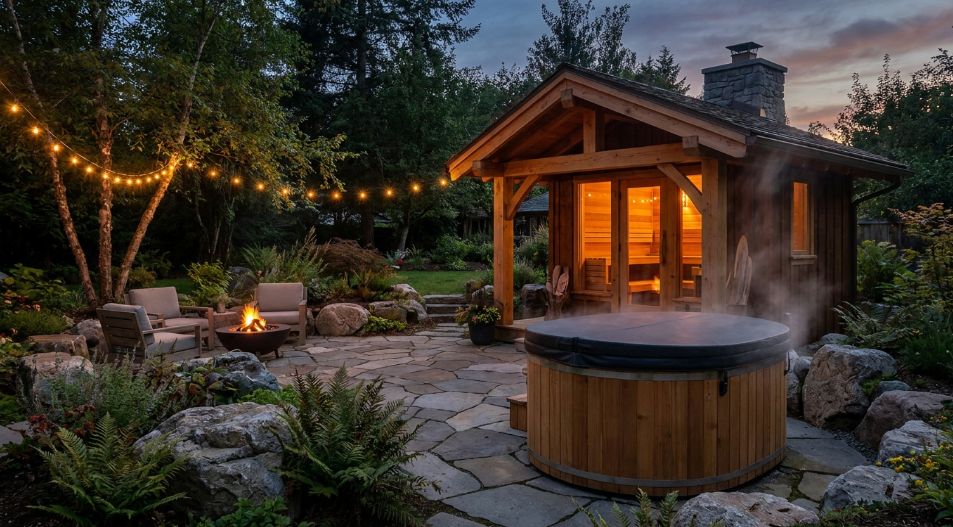
Proper barrel sauna cleaning runs about $40 to $90 a year in supplies, mild soap, a soft-bristle brush, and an occasional interior wipe-down, plus $60 to $120 every one to two years for exterior sealant. Skip both and the real cost shows up later: a graying, cracking shell that needs full resurfacing at $300 to $600, or a rotted stave replacement running $150 to $400 per board once moisture gets past the finish.
What Proper Cleaning Actually Costs Per Year
Routine interior cleaning needs almost nothing beyond a soft-bristle brush, a bucket, and a mild, unscented soap, all of which run under $30 combined and last most of a season. A quick rinse and wipe-down after heavy use, plus a full bench and floor scrub every few weeks, keeps sweat residue and mineral buildup from soaking into the wood grain. Exterior maintenance costs more, since UV-rated sealant built for high-heat wood structures runs $30 to $60 per quart and most barrel saunas need one to two quarts per application. Budgeted honestly, a full year of proper upkeep lands in the $40 to $90 range, well under what a single stave replacement costs later. Frequency of use changes the math slightly. A sauna used daily by a family needs interior cleaning more often than a weekend-only unit, but the per-session cost still stays low, since the supplies involved last for dozens of applications before needing to be replaced.
The Right Products, and the Ones to Avoid Entirely
Interior surfaces should never see ammonia, bleach, or heavily fragranced cleaners, since all three soak into unsealed wood and can off-gas unpleasant or irritating fumes once the cabin heats back up. A diluted mild soap and warm water, applied with a soft brush and wiped rather than left to sit, is the standard recommendation across manufacturers. Exterior surfaces are a different story and need a sealant actually rated for exterior wood exposed to repeated heat cycling, not a generic deck stain, since generic products can trap moisture against the wood instead of shedding it. Reading the label for a UV and heat rating before buying saves a wasted application down the line. A soft microfiber cloth works better than a stiff scrub brush for the bench surfaces specifically, since repeated hard scrubbing can gradually roughen the wood grain and create tiny snag points that catch skin or towels during a session.
What Skipping Maintenance Actually Costs You Later
Weathering starts as a cosmetic issue, a shell turning gray instead of its original warm cedar tone, but it does not stay cosmetic. Once the protective finish breaks down, rainwater and UV exposure start working directly on exposed wood fibers, which leads to surface cracking and, eventually, softening at joints where water tends to pool. Left unaddressed for a couple of seasons, that softening becomes actual rot, and a single rotted stave typically costs $150 to $400 to replace, more if the shell needs partial disassembly to reach it and more still if rot has spread to adjacent boards by the time it is caught.
Resurfacing: The Bigger Line Item Nobody Budgets For
A shell that has gone years without sealant, even if it has not rotted, often needs a full resurfacing rather than a simple reseal. That means light sanding to remove the grayed outer layer, followed by two coats of sealant, and typically runs $300 to $600 for a standard barrel size if hired out, roughly half that in materials alone if done as a weekend DIY project. Compared to $40 to $90 in annual upkeep, resurfacing after years of neglect is a meaningfully worse deal, both in dollars and in the sauna sitting unusable for a weekend while it dries. Stretched across a five-year window, staying current on sealant costs roughly $200 to $450 total, against a single deferred resurfacing job that can approach or exceed that same figure in one visit, which makes the annual habit the cheaper path even before counting the lost weekends of use.
Buying Supplies Without Overpaying
Generic hardware store sealants work in a pinch but are rarely formulated for the heat cycling a sauna shell goes through, which shortens how long each application actually lasts. A dedicated sauna retailer that stocks wood-specific cleaning and sealing products, rather than repurposed deck supplies, tends to carry items actually tested for that heat range, and buying the correct product once usually costs less over several years than repeatedly reapplying a mismatched one. Looking for a dedicated sauna retailer when sourcing sealant and interior cleaner is worth the extra few minutes compared to grabbing whatever is on the shelf at a general home store.
Does a Clean Sauna Actually Matter for the Health Benefits People Cite?
Indirectly, yes, mostly through consistency. Research summarized in a 2018 Mayo Clinic Proceedings review found regular sauna bathing frequency associated with lower rates of cardiovascular events across large Finnish cohorts, and a separate systematic review of regular dry sauna bathing reached broadly similar conclusions about cardiovascular associations. An older review in The American Journal of Medicine also outlined the general benefits and risks of the practice. None of this is proof that a clean sauna itself changes health outcomes, since these are population-level associations, not controlled trials tied to maintenance habits. What proper cleaning realistically does is keep the sauna pleasant and structurally sound enough that a household keeps using it regularly, which is the pattern the underlying research actually describes. A cabin that smells musty or has a rough, splintering bench tends to get skipped on cold evenings when the motivation to use it is already lower, and that quiet drop-off in frequency is where the connection to the research actually lives, not in the cleaning itself.
Frequently Asked Questions
Can I use regular household cleaner on sauna wood? No. Most contain ammonia, bleach, or fragrance oils that soak into unsealed wood and can off-gas when heated. A mild, unscented soap in warm water is standard.
How often should the exterior be resealed? Every one to two years for most climates, sooner with intense sun or heavy rain. Sealant costs $60 to $120 per application.
What does it cost to repair a rotted stave? Typically $150 to $400 depending on wood species and disassembly needed. Catching rot early keeps the repair to a single board.
Should I pressure wash a barrel sauna? Generally no, or only at low pressure from a distance. Standard settings can force water into the grain and joints and accelerate weathering.
References
- Cardiovascular and Other Health Benefits of Sauna Bathing: A Review of the Evidence, Mayo Clinic Proceedings, 2018
- Clinical Effects of Regular Dry Sauna Bathing: A Systematic Review, Evidence-Based Complementary and Alternative Medicine, 2018
- Benefits and risks of sauna bathing, The American Journal of Medicine, 2001