The Role of Mesh Fabrics in Modern Filtration Systems
Introduction
Clean air and water are essential for life, and filtration systems play a key role in maintaining these standards. Among various filtration materials, tela para filtros has emerged as an efficient and versatile solution used in several industries. Whether it’s purifying drinking water, filtering industrial liquids, or maintaining clean air in HVAC systems, this mesh fabric has proven to be reliable and effective.
This article explores how tela para filtros works, its applications, advantages, and importance in today’s industries.
What Is Tela Para Filtros?
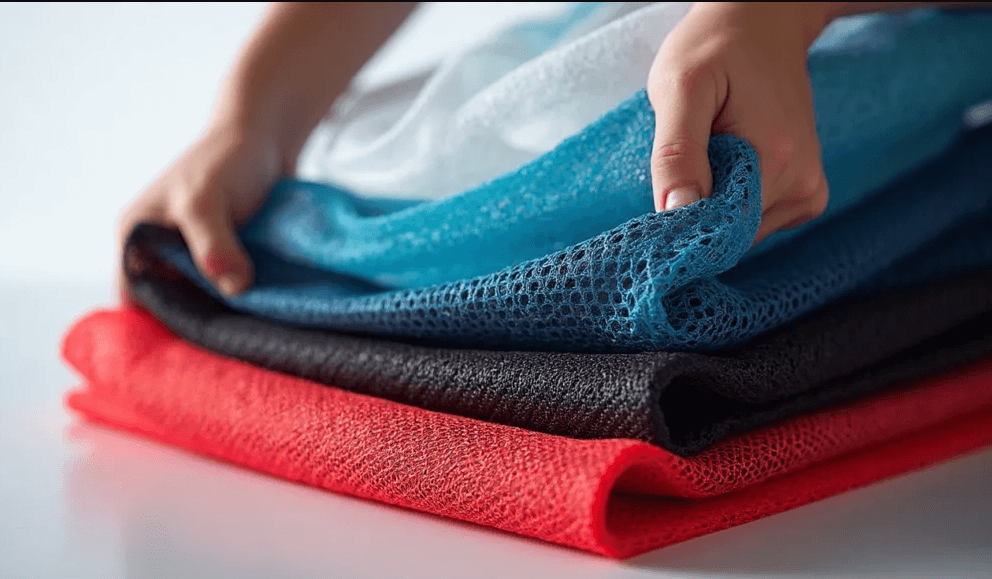
Tela para filtros refers to a specialized filter fabric used to separate impurities from liquids or gases. It is made from materials such as polyester, nylon, or stainless steel, depending on the application. The fabric’s structure includes tiny mesh openings that allow fluids to pass through while trapping unwanted particles, ensuring clean output.
The quality and performance of tela para filtros depend on the size of its pores, material strength, and resistance to temperature and chemicals. These features make it ideal for different filtration systems in domestic, industrial, and environmental settings.
See also: Understanding the Benefits of Protein Drink for a Healthy Lifestyle
How Tela Para Filtros Works
The working principle of tela para filtros is based on physical separation. As the fluid or air passes through the mesh, solid contaminants are trapped by the fine openings while the clean medium flows through.
There are different types of filtration depending on particle size:
- Coarse Filtration: Removes large particles like sand and dust.
- Fine Filtration: Captures smaller particles such as rust, bacteria, or organic matter.
- Microfiltration: Used for precise filtering, often in food or pharmaceutical industries.
This flexibility allows tela para filtros to be used in multiple applications where precision and cleanliness are required.
Materials Used in Fabric Production
The choice of material for tela para filtros depends on its intended use and environmental conditions. Commonly used materials include:
- Polyester: Resistant to moisture, chemicals, and heat. Ideal for industrial filtration.
- Nylon: Offers high tensile strength and flexibility, often used in water and air filters.
- Polypropylene: Known for chemical resistance, suitable for harsh environments.
- Stainless Steel: Used for high-pressure and high-temperature applications, providing long service life.
Each material is selected based on factors like durability, reusability, and cost-effectiveness.
Industrial and Domestic Applications
Tela para filtros has extensive applications across different sectors. Its effectiveness and adaptability make it suitable for both small-scale and large-scale filtration systems.
1. Water Filtration
In water treatment facilities, tela para filtros helps remove sediments, impurities, and microorganisms from water. It is used in pre-filtration, main filtration, and post-filtration stages, ensuring that the water meets safety and quality standards.
2. Air Purification
In HVAC systems, air purifiers, and industrial exhaust systems, tela para filtros traps dust, pollen, and airborne pollutants. It ensures a clean air environment in homes, offices, and factories, contributing to better health and air quality.
3. Food and Beverage Industry
Food production requires high levels of hygiene. Tela para filtros is used to filter liquids like juices, milk, and oils to remove unwanted solids. It maintains the natural flavor and quality of products without contamination.
4. Chemical and Pharmaceutical Industries
In laboratories and chemical plants tela para filtros ensures purity in chemical solutions and pharmaceutical products. It prevents cross-contamination and maintains product consistency.
5. Environmental Protection
In wastewater treatment and recycling processes, tela para filtros removes solid waste and toxic substances, helping protect natural water sources.
Advantages of Using Tela Para Filtros
There are several reasons why tela para filtros is preferred over traditional filtering materials:
- Durability: Built to withstand pressure, temperature, and chemical exposure.
- Reusability: Can be cleaned and reused, reducing maintenance costs.
- Precision: Provides accurate particle separation due to uniform pore size.
- Versatility: Adaptable to liquids, gases, and various environmental conditions.
- Cost-Effective: Long lifespan and reusability make it economical in the long run.
- Eco-Friendly: Reduces waste compared to disposable filters, supporting sustainability.
These qualities make tela para filtros an indispensable component in modern filtration technology.
Maintenance and Cleaning
To maintain its efficiency, tela para filtros requires regular cleaning and proper handling. Over time, debris can accumulate in the mesh, reducing its filtration capacity.
Effective maintenance practices include:
- Rinsing: Washing the fabric with clean water after each use.
- Detergent Cleaning: Using mild detergents for sticky or oily residues.
- Backwashing: Passing water or air in the opposite direction to remove deep-seated particles.
- Drying Properly: Allowing the fabric to air dry before reuse to prevent mold or bacterial growth.
Proper maintenance extends the lifespan of the fabric and maintains its filtration efficiency.
Comparison with Other Filtration Media
When compared to other filtration materials such as paper, foam, or membrane filters, tela para filtros offers a balanced combination of performance and durability.
- Paper Filters: Provide fine filtration but are not reusable.
- Foam Filters: Inexpensive but not suitable for precise applications.
- Membrane Filters: Highly accurate but costly and prone to clogging.
Tela para filtros provides an efficient middle ground—high performance, long-lasting, and affordable.
Environmental and Economic Benefits
Using tela para filtros contributes to both environmental conservation and economic efficiency. Its reusability minimizes waste generation, supporting sustainability efforts. In industrial applications, it reduces operational costs by extending the service life of filtration systems and requiring fewer replacements.
Additionally, its ability to filter harmful pollutants plays an important role in maintaining environmental health by keeping water and air sources clean.
Choosing the Right Type of Tela Para Filtros
Selecting the correct tela para filtros depends on several factors, including:
- The type of fluid or air being filtered
- Particle size and concentration
- Temperature and pressure conditions
- Required filtration efficiency
Working with a professional supplier can help ensure the correct material and mesh size are selected for optimal results.
Future of Filtration Using Mesh Fabrics
As technology advances, tela para filtros is expected to evolve further. New materials and designs are being developed to enhance filtration precision, improve energy efficiency, and reduce maintenance needs. Innovations such as nanofiber technology and self-cleaning meshes are shaping the future of filtration, offering even greater performance.
Conclusion
Tela para filtros remains one of the most effective and adaptable materials for filtration applications across industries. Its durability, precision, and environmental benefits make it a valuable solution for modern challenges in air and water purification.
Whether used in domestic systems or large-scale industrial operations, this versatile fabric continues to deliver high-quality results with minimal environmental impact. With ongoing innovations, tela para filtros is set to remain an essential part of sustainable filtration solutions for years to come.