Enhancing Crop Productivity with Organic Fertilizers
Introduction
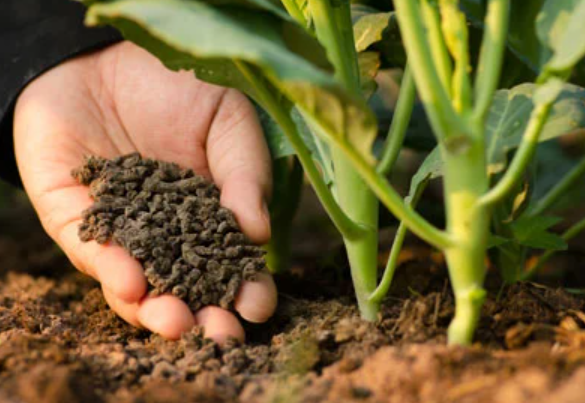
In modern agriculture, soil fertility is critical for achieving high yields and maintaining crop quality. Fertilizers play a central role in supplying essential nutrients, but understanding their proper use ensures efficiency and sustainability. Organic fertilizers, derived from natural sources, not only nourish plants but also improve soil health over time.
Fertilizer manufacturers and agriculture input providers help farmers optimize crop growth by offering solutions that balance nutrient supply with soil improvement. Awareness of fertilizer uses and appropriate application techniques is vital for productive and sustainable farming.
The Importance of Nutrients for Crop Growth
Plants require both macronutrients and micronutrients for proper growth. Nitrogen supports leafy development, phosphorus aids in root and flower formation, and potassium strengthens overall plant health. Micronutrients such as calcium, magnesium, and iron are also essential for healthy crop development and fruit quality.
Organic fertilizers provide these nutrients gradually, allowing plants to absorb them efficiently. This reduces the risk of over-fertilization and minimizes nutrient loss, resulting in healthier crops.
Benefits of Using Organic Fertilizers
Organic fertilizers offer several advantages compared to synthetic alternatives:
- Gradual nutrient release supports steady plant growth
- Enhances soil structure and aeration
- Promotes microbial activity for better nutrient cycling
- Reduces environmental risks associated with chemical runoff
These benefits make organic fertilizers an ideal choice for farmers seeking sustainable and productive crop management practices.
Understanding Fertilizer Uses
Different fertilizers have specific uses depending on crop type, soil condition, and growth stage. For instance, some fertilizers are better suited for root development, while others enhance fruit or flower formation.
Understanding fertilizer uses helps farmers bone meal uses apply the right product at the right time, ensuring maximum nutrient efficiency and optimal crop performance.
Integrating Fertilizers into Soil Management
Effective crop management combines fertilizer application with proper soil care. Maintaining soil fertility, structure, and moisture retention enhances the effectiveness of fertilizers.
Crop Rotation
Rotating crops prevents nutrient depletion, reduces pest pressure, and maintains soil health. This practice complements fertilizer use and supports long-term productivity.
Organic Matter Addition
Adding compost, green manure, or crop residues improves soil organic content, enhances water retention, and supports beneficial microbial activity.
Precision Fertilization
Using soil testing to guide fertilizer application ensures nutrients are delivered efficiently, reducing waste and preventing nutrient imbalance.
See also: Strategies for Efficient Business Procurement
Environmental Considerations
Responsible fertilizer use minimizes environmental impact. Organic fertilizers reduce the risk of chemical runoff, protect water quality, and maintain soil biodiversity. Sustainable application practices contribute to long-term soil fertility and ecological balance.
Role of Fertilizer Manufacturers
Fertilizer manufacturers support farmers by developing nutrient solutions that are effective and environmentally friendly. They provide guidance on product selection, application methods, and crop-specific recommendations to maximize results.
Research and development in fertilizer manufacturing focus on improving nutrient efficiency, compatibility with various soil types, and long-term soil health.
Practical Applications in Farming
Farmers can optimize crop productivity by understanding fertilizer uses:
- Applying fertilizers according to soil test results
- Matching fertilizer type to crop nutrient needs
- Incorporating fertilizers into the soil properly
- Combining fertilizers with organic amendments for enhanced benefits
Proper application ensures crops receive necessary nutrients, promotes healthy growth, and maximizes yield potential.
Long-Term Advantages for Farmers
Using fertilizers correctly provides several long-term benefits:
- Consistent crop yields and improved quality
- Efficient nutrient use and reduced input costs
- Enhanced soil structure and fertility
- Sustainable farming practices that protect the environment
Farmers who integrate fertilizers into a broader soil management strategy enjoy both immediate productivity and long-term soil health.
Conclusion
Organic fertilizers are a valuable tool for enhancing crop productivity and maintaining soil health. Understanding their uses, applying them correctly, and integrating them with soil management practices ensures optimal crop growth and sustainable farming.
For the agriculture inputs and fertilizer manufacturing industry, supporting farmers with quality products and knowledge helps improve crop yield, soil fertility, and long-term sustainability. Combining fertilizers with responsible soil care practices allows growers to achieve productive, resilient, and environmentally conscious farming systems.